
A roof leak after a storm feels personal. It's not just water. It's worry. Homeowners in Suffolk County often notice the problem the same way: a faint stain on the ceiling, a drip that wasn't there yesterday, or damp insulation in the attic that smells “off.” On Long Island, storms don't need to be historic to cause real roof damage. A fast-moving Nor'easter, a summer thunderstorm with strong gusts, or a hurricane remnant pushing coastal wind can all create the same outcome: a weak spot becomes a leak.
For Suffolk County homeowners, the first response matters. A roof leak is not the time to wait and see. Water moves quickly. It spreads through plywood sheathing, attic insulation, and ceiling drywall. The longer it stays wet, the more likely mold growth becomes. The good news is that there are clear first steps that reduce damage and help a roofing company diagnose the problem faster.
Read what Suffolk County homeowners should do first, what not to do, and how professional storm damage roofing in Huntington can protect the home before the next weather system arrives. It also explains why Clearview Roofing Huntington focuses on fast documentation, emergency tarping, and storm restoration that holds up to Long Island's coastal climate.
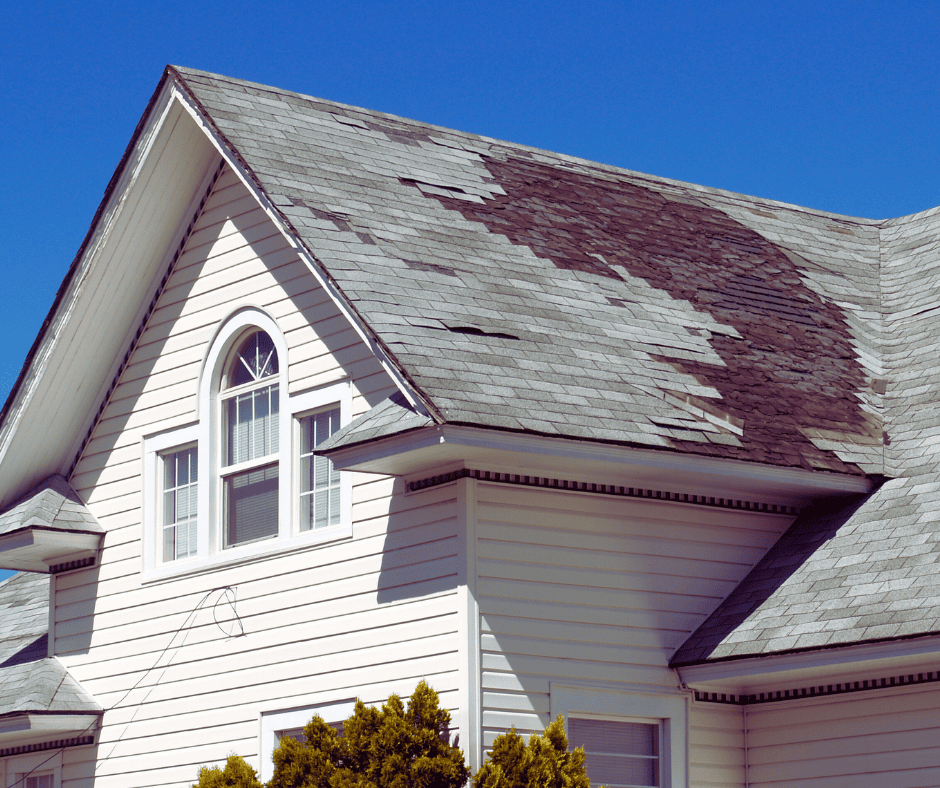
Long Island is a high-exposure maritime environment. Wind hits homes differently here than in inland areas. Coastal gusts create strong uplift pressure, which means shingles can loosen even if they don't fully blow off. Salt air also accelerates corrosion on flashing, fasteners, and metal roof edges. Over time, that wear reduces the roof's ability to stay watertight under stress.
Many Suffolk County homes have roof systems that perform well during normal conditions, but storms expose weak points. A shingle tab that lifted last season may finally break loose. Step flashing around a chimney may shift. Underlayment that was installed years ago may not seal properly when wind-driven rain gets underneath the shingles.
In neighborhoods across the North Shore and South Shore, storms can also bring falling limbs. Even a small tree limb penetration can create a direct path for water intrusion. Roof leaks aren't always dramatic. They're often hidden until the damage has already started.
Before any roof inspection happens, the home needs immediate protection inside. This reduces the risk of ceiling collapse and prevents water from damaging flooring, furniture, and electrical components.
A homeowner should first identify where water is appearing. Water rarely drips straight down from the roof entry point. It often travels along rafters or decking and finds the lowest exit point. That is why a ceiling stain may appear several feet away from the actual roof damage.
If water is dripping, place a bucket or container under the leak. If the ceiling drywall is bulging, it may be holding water. That is dangerous. A controlled release can prevent a sudden collapse. A small hole can be made in the lowest point of the bulge using a screwdriver, but only if it is safe and the area is clear of electrical fixtures. If the leak is near a ceiling light, outlet, or electrical panel area, the safer choice is to shut off power to that zone and call for emergency help.
On Long Island, many storm-damaged roofs leak even when shingles are still “there.” Nor’easter gusts often break the adhesive seal and lift shingle tabs, letting wind-driven rain reach underlayment and flashing, creating silent leaks that show up days later.
Coastal salt air in Suffolk and Nassau accelerates corrosion on flashing, drip edge, fasteners, and roof penetrations. After storms, small gaps at chimney flashing or roof-to-wall transitions can widen quickly, so Long Island repairs often include metal replacement, not just resealing.
Emergency tarping is one of the most cost-effective storm actions on Long Island. A properly installed heavy-duty tarp reduces interior water intrusion, protects plywood sheathing from swelling, and buys time for insurance documentation before the next rain system hits.
In storm damage roofing Long Island situations, fast action is about damage control and documentation. It is not about guessing the fix. A roof system is layered. The visible shingle may not be the only issue. A professional needs to check the full building envelope, including the underlayment, flashing, roof deck, and ventilation components.
This is the short list that makes the biggest difference. It reduces damage and improves the accuracy of insurance documentation.
After a storm, homeowners often want to fix the problem immediately. That instinct is understandable, but some actions create more damage or reduce insurance claim credibility.
First, homeowners should not climb onto the roof in unsafe conditions. Wet shingles are slippery. Wind gusts can be unpredictable. A fall is far more serious than the leak itself. If a homeowner can see missing shingles from the ground, that is enough to justify an emergency call.
Second, homeowners should not seal random areas with caulk as a “quick fix.” Caulk can trap moisture, hide damage, and make professional repairs harder. It can also look like an unapproved repair attempt when an insurance adjuster reviews the roof.
Third, homeowners should not assume the leak is only a shingle issue. Many Suffolk County roof leaks are flashing failures. Chimney flashing, valley flashing, skylight flashing, and step flashing are common storm weak points. A shingle patch will not stop a flashing leak.
One reason storm damage roofing Long Island calls increase a week after a storm is because the damage can be subtle at first. A roof may appear “fine” from the street, but the protective seal is compromised.
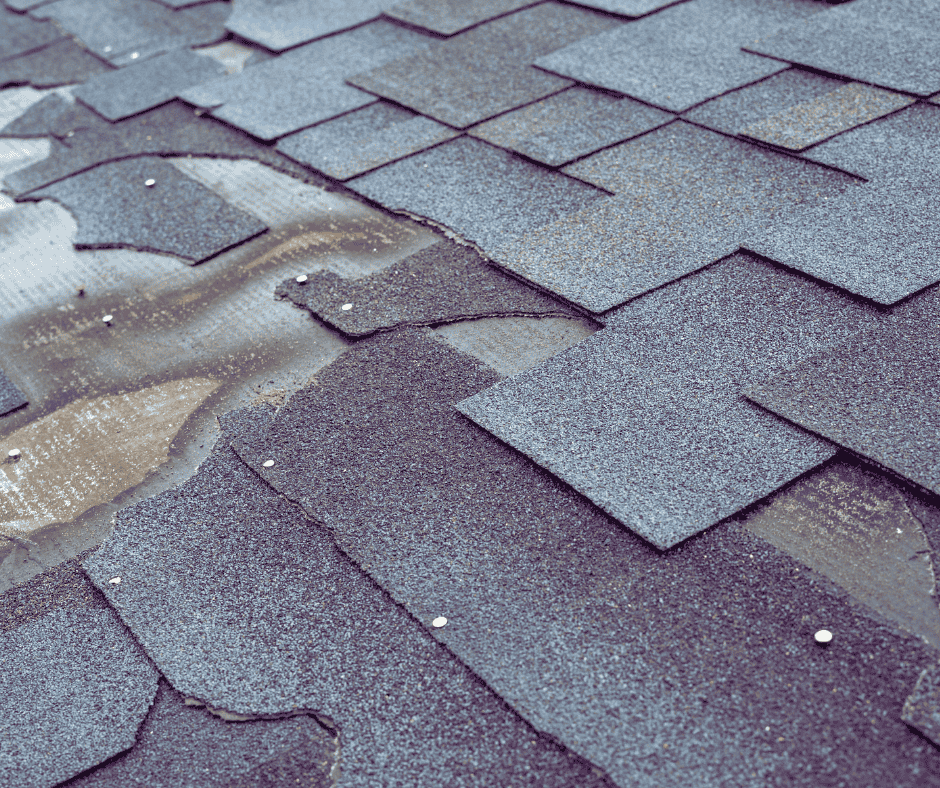
One of the most common issues is wind-lifted shingles. The shingles are not missing, but the adhesive seal is broken. Wind-driven rain can slip under the shingle edge and reach the underlayment. If the underlayment is old or torn, water finds the roof deck quickly.
Another common issue is granule loss from hail or abrasive debris. Granules protect shingles from UV exposure. When granules are stripped, shingles age faster and become brittle. That increases the chance of cracks and tabs breaking loose during the next storm.
Flashing is also a major factor. Lifted flashing around chimneys and roof-to-wall transitions creates a direct path for water intrusion. This is especially common in high-wind coastal storms where pressure shifts can pry flashing edges loose.
Emergency tarping is one of the smartest early actions after a storm leak. It is not a permanent repair. It is damage prevention. When installed correctly, a heavy-duty tarp can stop water intrusion and protect the roof deck until the repair or replacement is completed.
Clearview Roofing Huntington prioritizes emergency tarping because it buys homeowners time. Suffolk County storms often come in waves. A leak that starts after one storm can become much worse if the next rain hits before repairs happen.
Professional tarping is not just throwing plastic over the roof. It requires proper attachment and water shedding technique. A tarp that is installed incorrectly can flap in wind and cause more shingle damage. That is why homeowners should treat emergency tarping as a professional task, not a DIY shortcut.
When a homeowner calls for roof storm damage assessment, a professional inspection should focus on both visible damage and hidden moisture intrusion. A good inspection does not stop at “missing shingles.” It identifies why the roof leaked and what areas are likely to fail next.
A storm damage roof inspection often includes:
Exterior evaluation of shingles, ridge caps, valleys, and roof penetrations. Inspection of drip edge condition and gutter line damage. Flashing checks around chimneys, skylights, and sidewalls. Attic evaluation for wet insulation, mold risk, and roof deck staining. Documentation of wind-uplift patterns and repair scope.
Many companies also use drone inspection cameras for safer documentation of high or steep roofs. This is especially helpful for homes near exposed coastal areas where roof pitch and wind conditions make access risky. For moisture confirmation, an infrared moisture meter can help detect hidden wet zones that have not yet produced visible stains.
Storm damage roof repair is not one-size-fits-all. The repair depends on the roof type, storm conditions, and how long the leak has been active. In Suffolk County, the most common storm repairs involve shingles, flashing, and underlayment reinforcement.
Missing or torn shingles must be replaced using matching materials whenever possible. Many Long Island homes use architectural shingles because they perform better in wind and offer stronger durability. Clearview Roofing commonly installs and repairs systems using trusted brands like GAF Timberline, CertainTeed Landmark, Owens Corning Duration, and IKO.
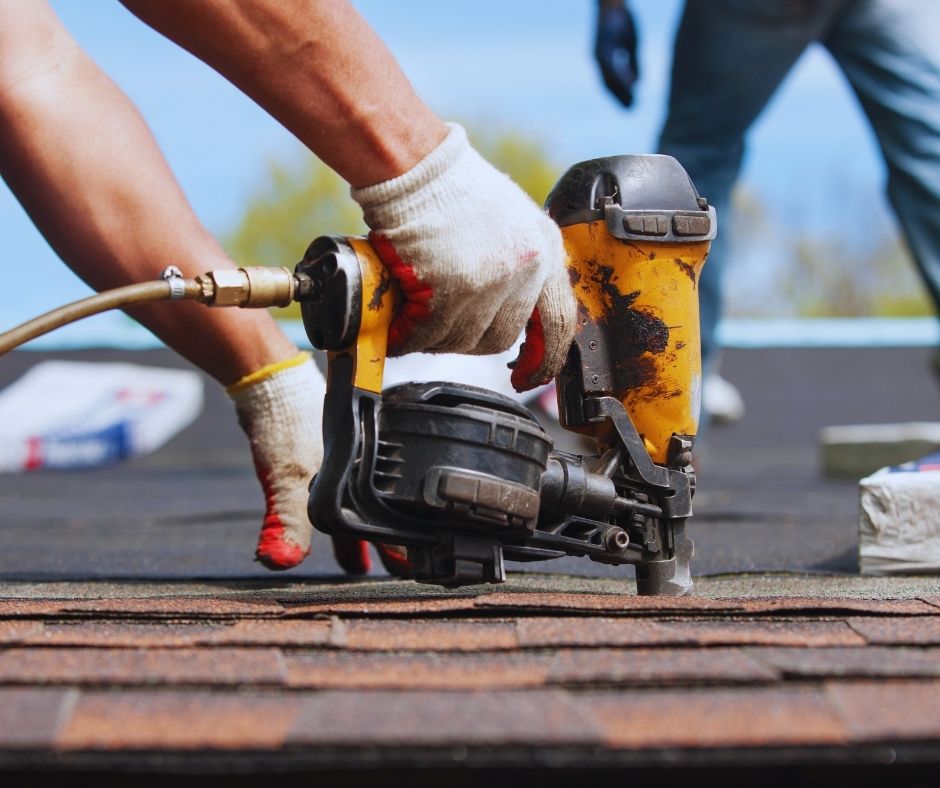
Proper shingle repair includes checking the seal strip, ensuring correct nail placement, and verifying that the surrounding shingles were not lifted or cracked.
Flashing is often the true source of leaks. Step flashing along roof-to-wall areas and chimneys must be secure and layered correctly with shingles and underlayment. If flashing is bent, rusted, or pulled loose, water can enter quickly during wind-driven rain.
In coastal Suffolk County areas, flashing damage is often accelerated by salt air corrosion. That is why repairs should include material checks, not just resealing.
Storm repair is also a chance to reinforce protection. Many homeowners do not realize that underlayment is a major barrier against leaks. If the roof is opened for repairs, it may be the right time to install or upgrade ice and water shield in vulnerable zones such as valleys, eaves, and roof penetrations.
This is especially relevant for Long Island winters. Ice dams and freeze-thaw cycles can create leak pressure in areas that already suffered storm stress.
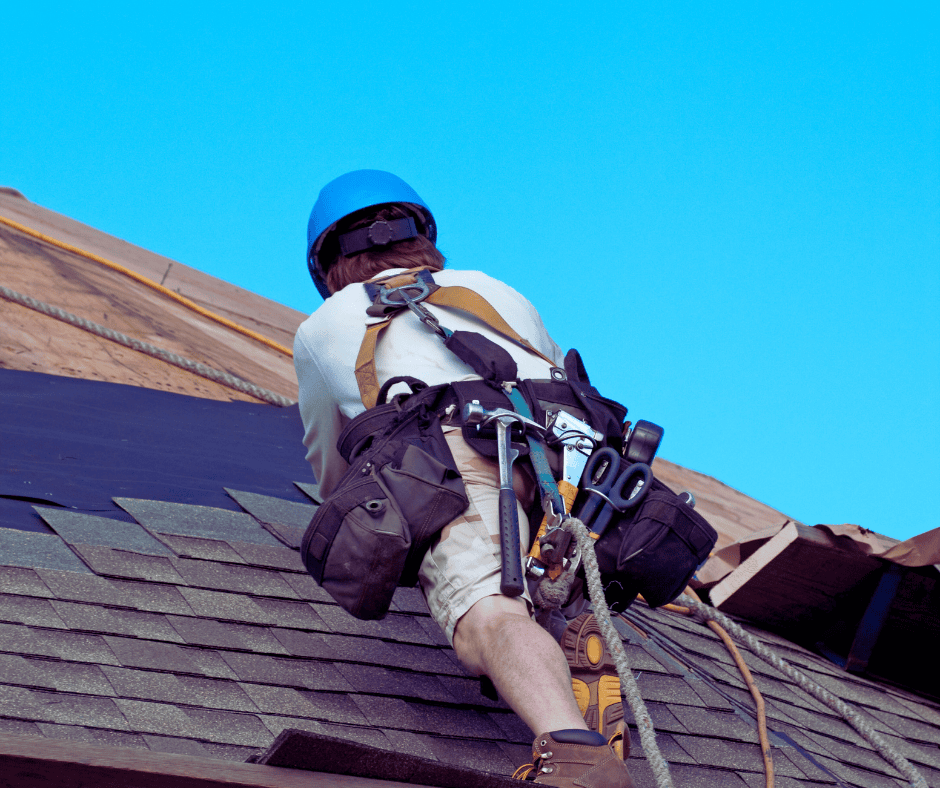
If a leak has been active long enough, the roof deck may be compromised. Plywood sheathing can soften, warp, or delaminate when exposed to moisture. A proper repair includes removing damaged decking sections and restoring structural integrity before shingles are installed.
For many Suffolk County homeowners, the stress is not just the leak. It is the insurance process. Storm damage roof repair often involves documentation, adjuster meetings, and repair scope negotiation.
This is where professional insurance claim assistance matters. A roofing contractor who understands storm restoration can provide technical documentation that supports a valid claim. That includes photos, written inspection findings, repair recommendations, and proof of wind or hail impact patterns.
Clearview Roofing Huntington supports homeowners by providing the type of evidence adjusters need to see. This can include drone photos, measurement reports, and clear identification of storm-related damage versus normal wear. It is a practical approach that helps homeowners avoid underpaid claims or incomplete repairs.
Many homeowners underestimate how wind affects a roof. Wind does not just blow across the shingles. It creates lift. It tries to pull shingles upward. This is called wind uplift. Once the adhesive seal breaks, shingles become vulnerable even if they remain in place.
In Suffolk County, this is common after Nor'easters and hurricane remnants. The roof may look intact, but the protective seal is weakened. That is why homeowners should not judge storm damage only by missing shingles. A professional needs to check for lifted tabs and broken seals that can cause silent leaks later.
A quality storm restoration focuses on wind-uplift mitigation. That includes correct shingle fastening, proper ridge vent installation, and reinforcement of weak edges like drip edge and rake edges.
Roof leaks are often blamed on shingles alone, but ventilation plays a major role in roof health. Poor ventilation can trap heat and moisture in the attic. That causes condensation and accelerates wood rot. During storms, trapped moisture also makes insulation heavier and increases drywall damage once water enters.
Professional storm restoration should include ventilation evaluation. Components like ridge vents, soffit vents, and attic airflow balance help keep the roof deck dry and stable. This matters in Long Island's humid summers and freezing winters.
Not every roof leak should be handled as a small repair. In some cases, repair is a short-term patch that leads to repeat problems. The decision depends on roof age, extent of damage, and how widespread the storm impact is.
A homeowner may be a better candidate for roof replacement if there are multiple leak zones, widespread granule loss, repeated shingle blow-offs, sagging areas, or old underlayment that cannot protect the deck. Roof replacement may also be recommended if the storm damage exposes long-standing wear that was already near failure.
For homeowners investing in long-term protection, high-quality systems matter. Clearview Roofing works with premium options including GAF Master Elite installation standards and high-performance warranty programs. In homes with skylights, Velux components can also be part of a complete restoration plan.
Suffolk County is not one uniform environment. Roof risk changes by location and exposure.
Homes on the South Shore often face stronger wind-driven rain and salt air exposure. Homes near the North Shore may deal with elevated gust patterns and tree limb risk. Properties closer to Fire Island National Seashore or coastal areas experience higher storm exposure and faster corrosion. Homes in more wooded zones like Commack, Dix Hills, and Deer Park often face falling branch damage during storms.
Clearview Roofing Huntington serves a wide range of Suffolk County areas including Huntington (11743), Smithtown (11787), Port Jefferson (11777), Melville (11747), Patchogue (11772), and Riverhead (11901). Local knowledge matters because storm patterns and roof styles vary by neighborhood.
During peak storm season, roofing schedules fill quickly. Homeowners who provide clear information often get faster diagnosis and more accurate repair planning.
Before calling, homeowners should note the storm date, leak location, whether the leak is active, and any visible exterior damage. Photos help. Attic details help even more. If there is wet insulation, dark roof decking, or dripping nails, that information can shorten the inspection process.
Homeowners should also mention if the property has skylights, chimney penetrations, or recent roof work. These details matter because leaks often occur around penetrations and transition zones.
A roof leak after a storm is not just a roofing problem. It is a home protection problem. The best outcome comes from fast interior protection, smart documentation, and professional inspection that identifies the real failure point.
Clearview Roofing Huntington provides storm damage roof repair, emergency tarping, hail damage inspection, and insurance claim support across Suffolk County and Nassau County. Their focus is simple: respond quickly, document correctly, and restore the roof system with materials and methods that can handle Long Island's coastal climate.
They also handle fast roof leak repair in Huntington, locating the entry point, replacing damaged shingles or flashing, and sealing vulnerable areas before moisture spreads into insulation, drywall, and framing.
For Suffolk County homeowners dealing with roof leaks, missing shingles, lifted flashing, or storm-related water stains, the next step is straightforward. Schedule a storm damage roof inspection and stop the leak before the next storm turns a small problem into a major restoration.
Redirect to: